
.jpg)
 Wlaf1450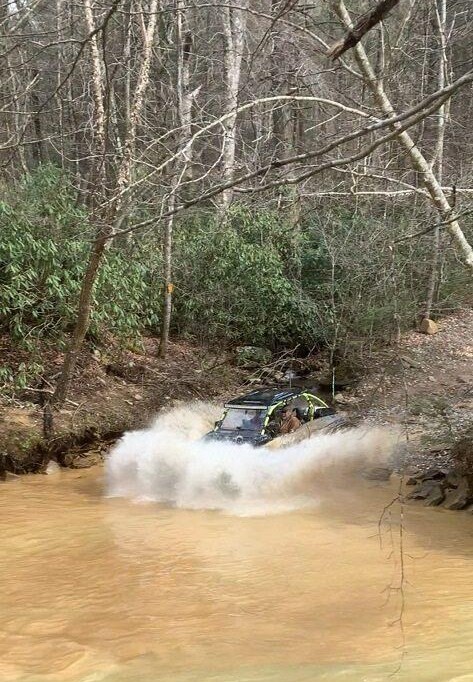
NASHVILLE, TN (SPECIAL TO WLAF)— The Tennessee Wildlife Resources Agency (TWRA) is informing off-highway vehicle (OHV) riders on North Cumberland Wildlife Management Area (NCWMA) of important updates taking effect July 1, 2026, following the enactment of Public Chapter No. 1120, an amendment to Tennessee Code Annotated, Title 70, Chapter 9, related to OHV use on NCWMA.
Under the new law, at least one adult per vehicle is required to possess a valid NCWMA OHV riding permit, a Sportsman Supplemental Annual NCWMA OHV permit, or a NCWMA OHV guide permit.
Permit fees established are as follows:
- Nonresident OHV Permits
- $50 — 1‑day
- $125 — 3‑day
- $200 — 7‑day
- $300 — Annual
- Tennessee Resident OHV Permits
- $20 — 1‑day
- $30 — 3‑day
- $100 — 7‑day
- $150 — Annual
- Sportsman’s Supplement – $40
Individuals who receive any form of compensation for tour guide services or commercial operation of OHVs on North Cumberland WMA must obtain a North Cumberland OHV Guide Permit. The guide permit fee is $700 annually and includes all privileges of a standard OHV riding permit. A guide permit is not required for roadside assistance providers, including towing, battery services, tire changes, lockout assistance, fuel delivery, and winching.
OHV riders using other designated wildlife management areas outside the NCWMA are still required to obtain the High Impact Habitat Conservation Permit. High Impact Permits and Annual Licenses purchased prior to July 1, 2026, will be honored for riders on NCWMA until the license expires. High Impact Permits and Licenses purchased on/after July 1, 2026, will not be valid for users to ride on the area. For more information and prices on this permit, visit the TWRA website.
The NCWMA OHV riding permit is NOT included in the Annual and Lifetime Sportsman licenses. Individuals with a valid Annual or Lifetime Sportsman license may purchase a Sportsman Supplemental Annual OHV Permit for $40, which provides riding privileges but does not include guide privileges.
With the new permit requirements approaching, TWRA urges all OHV riders—both residents and visitors—to plan ahead, obtain the appropriate permits, and ensure they understand the updated regulations before entering the NCWMA. The new permits will directly support conservation, trail sustainability, and safe recreation for all users on the NCWMA.
The Tennessee Wildlife Resources Agency is responsible for protecting, managing, and conserving fish and wildlife species for the benefit of Tennesseans and visitors. The Agency also maintains public safety through law enforcement and safety education on waterways. (WLAF NEWS PUBLISHED-07/01/2026-6AM)
Update on HB 2091 (SB 2173 by Yager) – North Cumberland Wildlife Management Area OHV Permits
House Bill 2091, which I sponsored along with Senator Yager’s companion bill, reached a strong compromise that protects hunters, supports responsible OHV recreation, and ensures the long-term sustainability of the North Cumberland Wildlife Management Area.
Background
The original proposal from TWRA would have more than doubled the planned permit fees and allowed significant increases in future years. After extensive discussions — including public meetings in Memphis attended by county officials, meetings here with local stakeholders, and meetings in Nashville with TWRA — we reached a balanced legislative solution.
Hunters are completely unaffected by this bill, except for those who also choose to ride OHV”s in the North Cumberland WMA and those with a sportsman license get a reduced rate. * Sets reasonable first-year rates and locks them in through July 1, 2030 (a four-year period). This gives TWRA time to collect real ridership data and actual operational costs before any future adjustments can be made.
* Ensures future fee changes are based on facts and data — not projections — while meeting the statutory requirement that the OHV program be self-sufficient. —-*Why This Matters
The North Cumberland WMA is a premier OHV destination. This bill creates a fair permit system that will generate more than $4.91 million annually for the Wildlife Fund — with the majority coming from nonresident riders — to support trail maintenance, wildlife management, and conservation efforts.
TWRA and the Fish and Wildlife Commission worked with us on this commonsense solution. TWRA receives no direct funding from Tennessee’s general state tax revenue. This approach balances access for riders, protects our natural resources, and provides fiscal responsibility for the program.